You either enjoy the results, or get your money back
This offer includes a 100% money-back guarantee for 60 days, no questions asked.
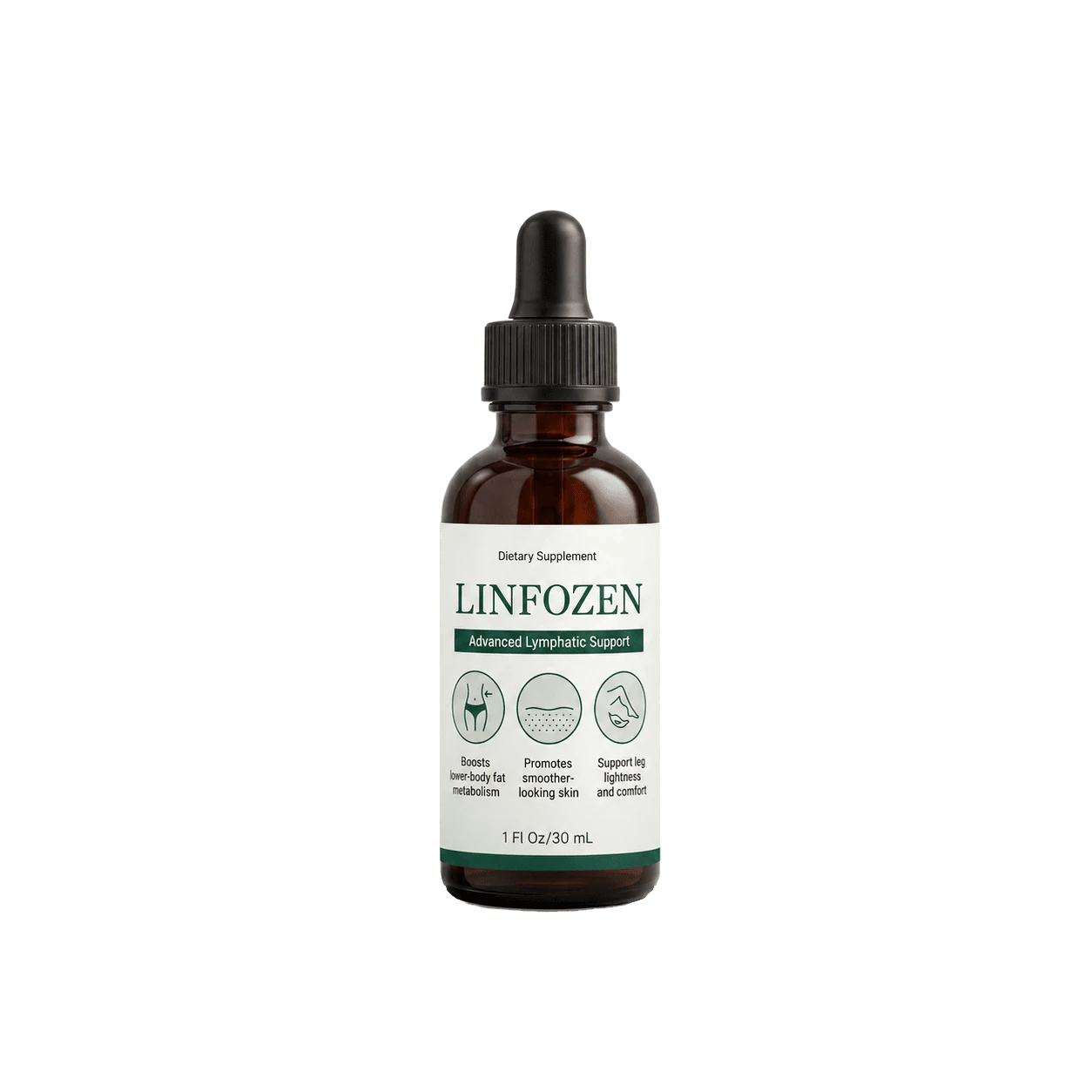
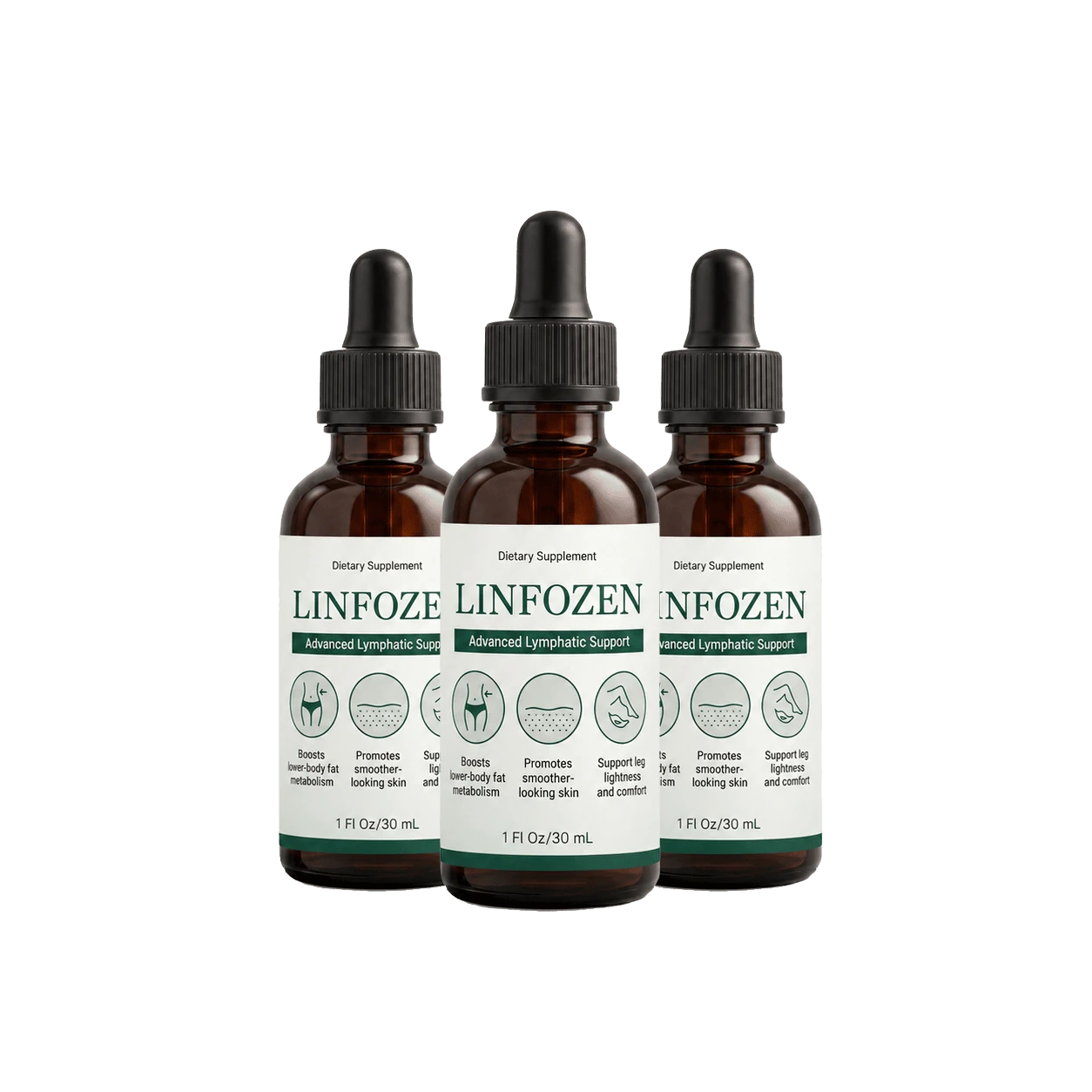
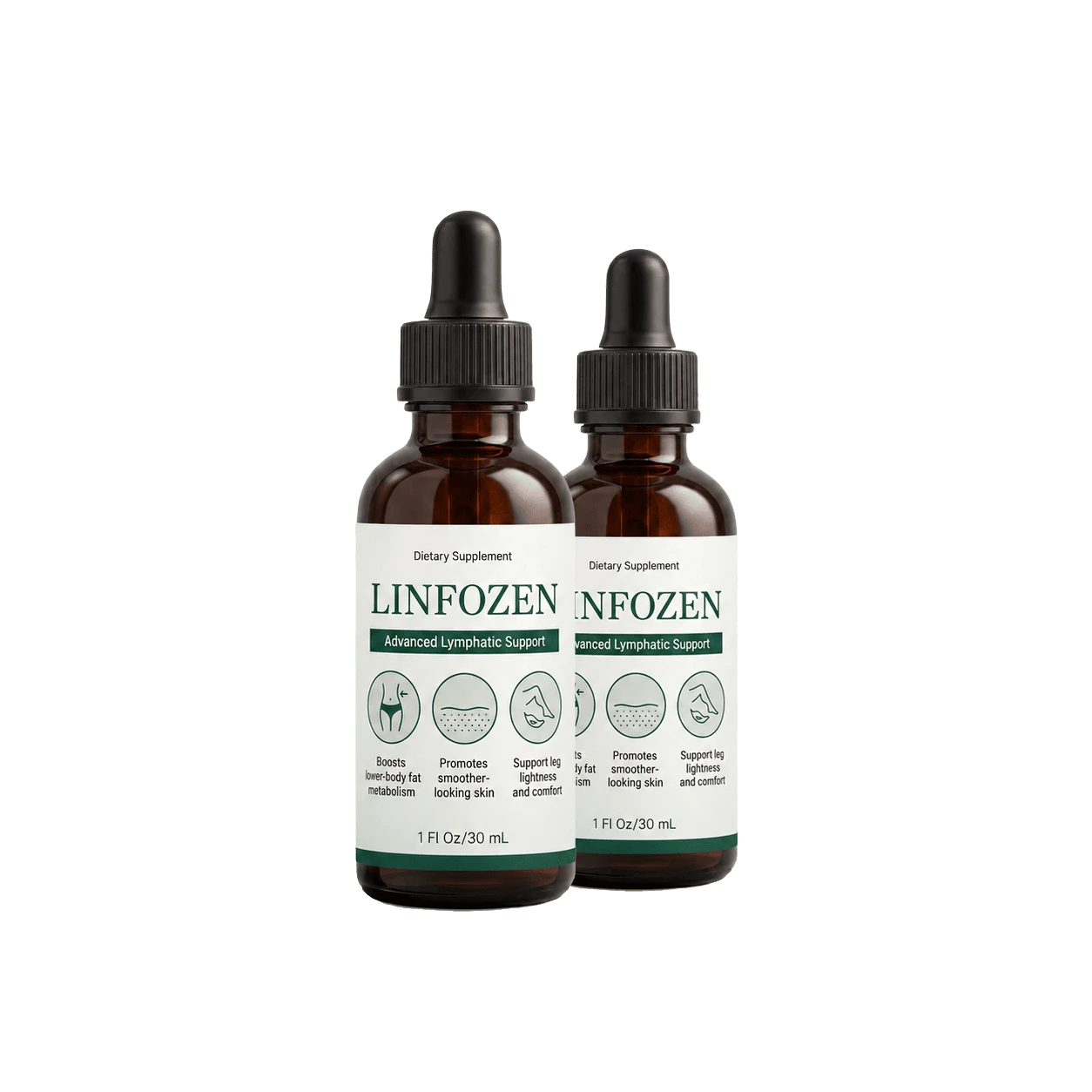
You either try Linfozen and get your legs slimmer, or get your money back.
The hidden vitamin that seals the leaking fluids in your legs. For nearly 90 years, the answer to swollen legs has been sitting in a footnote.
"Honestly, my ankles haven't looked this good in years. By the end of the day they used to be so tight and swollen. Now they just don't do that anymore. I'm really happy with it." Margaret K., 63, California
In the 1930s, a Hungarian scientist named Albert Szent-Györgyi noticed something strange in his patients. Their blood vessels were leaking. Fluid was seeping out through the walls of the tiniest capillaries and pooling in the tissue underneath. In the calves. In the ankles. In the tops of the feet.
It had nothing to do with how much they ate. Their vessels simply couldn't hold what was inside them.
Szent-Györgyi had already won the Nobel Prize for discovering vitamin C. Now he isolated the compound that sealed those leaking vessels — and he named it vitamin P. P for permeability.
Then, in 1950, a committee quietly stripped it of its vitamin status. Not because it stopped working. Because of a technicality in how vitamins get classified. It was removed from the list. And doctors stopped being taught about it.
Which is why, if you've spent years being told to lose weight, elevate your legs, and drink more water — nobody ever mentioned the one nutrient your capillaries were starving for.
Researchers at Johns Hopkins used a technique called capillaroscopy — a microscope powerful enough to watch blood move through vessels thinner than a strand of hair — to look inside the legs of 473 women with chronic swelling.
A healthy capillary is sealed. The cells lining it sit together like bricks in a wall, tight enough to hold fluid in. In these women, the wall had come loose. The seams between those cells had pulled apart. And through every one of those gaps, fluid was escaping — not in a rush, but constantly. Drop by drop. Hour after hour.
Normally your lymphatic system carries that fluid away. But it has a limit. Once the leak outpaces the drain, the fluid has nowhere left to go — so it stays. Sitting in the tissue. Just under the skin.
That's the tightness at the end of the day. That's the ring the sock leaves. That's why the ankle you see at 6pm doesn't look like the ankle you had at 7am.
And it's why drinking more water never worked. Why elevating your legs only helped until you stood up. Why losing weight changed the number on the scale and nothing else. None of them seal the leak.
Today, leading medical institutions — including Harvard, Johns Hopkins, and the Mayo Clinic — confirm leaky vessels are the root cause of swollen legs.
For most women, it's not a single thing — it's a few, quietly building over the years. Here are the most common:
Estrogen helps keep your vein walls firm. As it drops during menopause, the walls weaken and stretch — until tiny holes open and fluid begins to leak out.
Every extra pound adds pressure inside your leg veins. Over time, that constant push wears down the walls, until fluid starts to escape.
Common pills like Norvasc (amlodipine) work by widening your blood vessels to lower pressure. But that same effect can let fluid seep into your lower legs.
Your veins are under pressure every day, for decades. Eventually the walls thin, tiny holes open, and fluid begins to leak out into your legs.
That's why the usual advice never works. Elevate your feet, wear compression socks, cut salt — it just moves the fluid around for a few hours, while the veins keep leaking all day. So by evening, the swelling is back.
If you're wondering what your face and fingers have to do with your legs: it's the same leak. Gravity just decides where the fluid lands. If three or more of these sounded familiar, this isn't water weight and it isn't in your head. It's capillary leakage — and it's been getting worse quietly for years.
Long before pills and prescriptions, Chinese medicine had its own answer for heavy, swollen legs. It came from a tree they called the Red Pine. Women boiled the red liquid from the bark into a tea and drank a cup every morning and night. And the swelling simply disappeared.
China's Red Pine bark is rich in a very special vitamin — and that vitamin stops the leak in the veins that causes the swelling in the legs, ankles, and feet. The vitamin "P" discovered by Nobel Prize winner Albert Szent-Györgyi, awarded the Nobel Prize in 1937.
Your vessel walls are held together by collagen — the same protein that keeps your skin firm. Which raises an obvious question. If you've been taking collagen for your skin, why are your ankles still swelling by dinner?
Collagen builds the wall. Vitamin P is the mortar. You can lay brick all day. If the mortar has crumbled, the wall still leaks. Vitamin P works on the seams — the junctions between the cells lining that wall, the places where fluid actually escapes. It draws those seams back together and holds them closed.
There are enzymes in your body that slowly eat away at collagen, opening new holes in the walls over time. Vitamin P blocks these enzymes. No new holes. No more leaking.
That's the part almost nobody knows about vitamin P. There is no everyday food that carries it in any real amount. Not in vegetables. Not in fruit. It sits locked inside bark, in concentrations the human diet was never built to reach.
"Honestly, my ankles haven't looked this good in years. By the end of the day they used to be so tight and swollen. Now they just don't do that anymore. I'm really happy with it."
Margaret K., 63, California"My legs feel so much lighter. I actually stopped wearing my compression socks a few weeks back and didn't even realize it. It's been a nice surprise."
Patricia L., 41, Florida"That heavy, aching feeling I'd get by evening? It's gone. I can be on my feet all day now and I don't dread it anymore. Made a real difference for me."
Barbara R., 66, GeorgiaToday Linfozen is the only U.S. brand offering the original Vitamin P formula, made from Chinese Red Pine extract.
Linfozen is made right here in the U.S., in a botanical lab known among doctors for its high-purity formulas — with every batch tested in an FDA-registered facility.
To keep it affordable and make sure you get the real formula, Linfozen is not sold on Amazon, Walmart, or in drugstores. It's available only through the official website.
This offer includes a 100% money-back guarantee for 60 days, no questions asked.
You either try Linfozen and get your legs slimmer, or get your money back.